
Updated October 4, 2026
The Evolution of Viral Videos: From 'Charlie Bit My Finger' to 2026's AI-Generated Clips
From Accidental Fame to Algorithmic ViralityRemember when a toddler biting his brother’s finger was the internet’s biggest hit? That was 2007. Fast forward to 2
From Accidental Fame to Algorithmic Virality
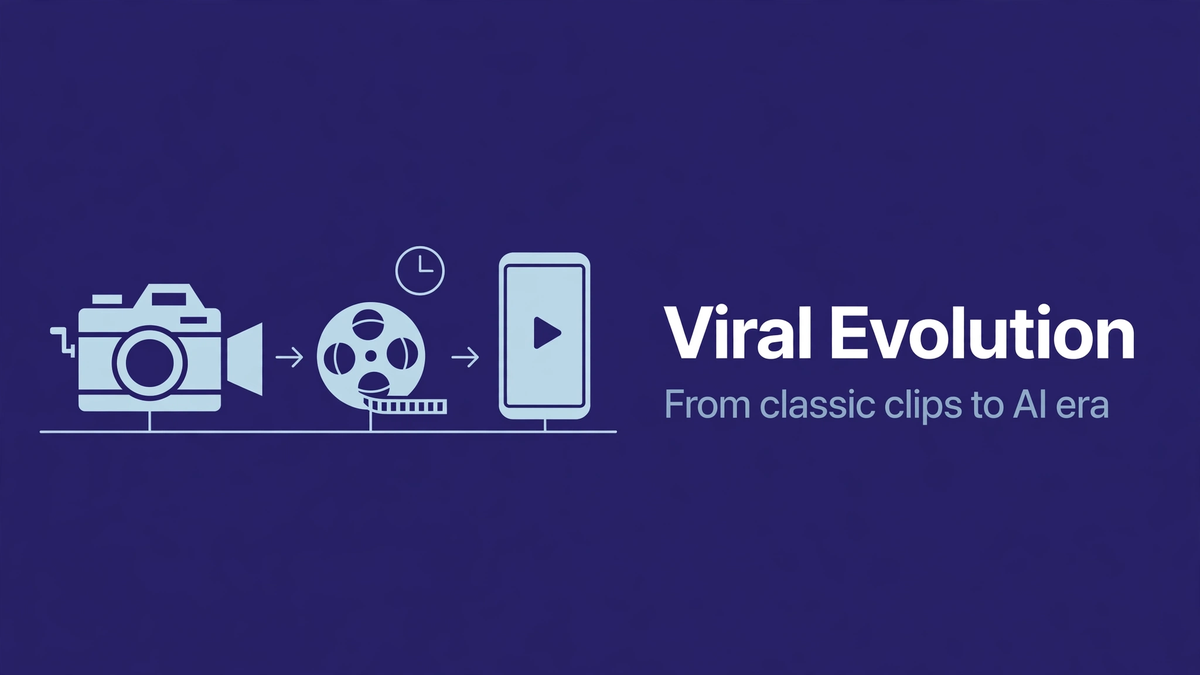
Remember when a toddler biting his brother’s finger was the internet’s biggest hit? That was 2007. Fast forward to 2026, and viral videos look completely different. Today, AI-generated clips, deepfake parodies, and hyper-personalized shorts dominate our feeds. The journey from Charlie Bit My Finger to AI-created sensations reveals how technology, culture, and attention spans have evolved.
The Golden Age of User-Generated Content (2005–2015)
Early viral videos were raw, accidental, and deeply human. Think Evolution of Dance, David After Dentist, or Charlie Bit My Finger. These clips spread through email chains and early social media. They required no editing skills—just a camera and a lucky moment. The charm was in their authenticity. People shared them because they felt real, relatable, and often hilarious.
- Key traits: Low production value, genuine reactions, and organic sharing.
- Platforms: YouTube, early Facebook, and email forwards.
- Why they worked: Surprise and emotional connection—laughter, shock, or heartwarming moments.
The Rise of Polished Content and Influencers (2015–2020)
As smartphones improved and platforms like Instagram and TikTok emerged, viral videos became more polished. Creators like PewDiePie, Lilly Singh, and Zach King mastered short-form storytelling. Algorithms started favoring watch time and engagement, pushing creators to optimize for retention. The Ice Bucket Challenge showed how viral could drive social change, while Baby Shark proved that simple, repetitive content could break records.
- Production value increased: Better lighting, editing, and scripting.
- Algorithm influence: Platforms rewarded consistency and niche content.
- Monetization: Viral videos became a career path, not just a hobby.
The AI Revolution (2021–2026)
By 2026, AI has transformed viral video creation. Tools like Sora, Runway, and DALL-E 3 allow anyone to generate realistic clips from text prompts. Deepfake technology enables celebrity parodies, while AI voice cloning creates viral audio tracks. The line between real and synthetic blurs. For example, an AI-generated video of a cat playing piano can rack up millions of views in hours—no actual cat required.
- AI-generated clips: Hyper-realistic, customizable, and produced in minutes.
- Personalization: Algorithms now tailor viral content to individual preferences, making each user’s feed unique.
- Ethical concerns: Misinformation, copyright issues, and the loss of authenticity.
How LinkGuru Curates the Best of Each Era
LinkGuru has evolved alongside viral content. Our platform aggregates and organizes the most impactful videos from every phase—from early YouTube classics to today’s AI marvels. We use smart tagging and community voting to surface what matters. Whether you’re nostalgic for Charlie Bit My Finger or curious about the latest AI-generated meme, LinkGuru helps you discover and share without the noise.
Why it matters: In a world flooded with content, curation is key. LinkGuru ensures you don’t miss the gems—whether human-made or machine-generated.
What’s Next for Viral Videos?
Looking ahead, expect even deeper integration of AI, augmented reality, and interactive formats. Viral videos may become fully immersive, allowing viewers to step inside the clip. But one thing remains constant: the human desire to connect, laugh, and share. The tools change, but the magic of a moment that captures millions of hearts stays the same.